ChemTecUSA’s Copper Plating
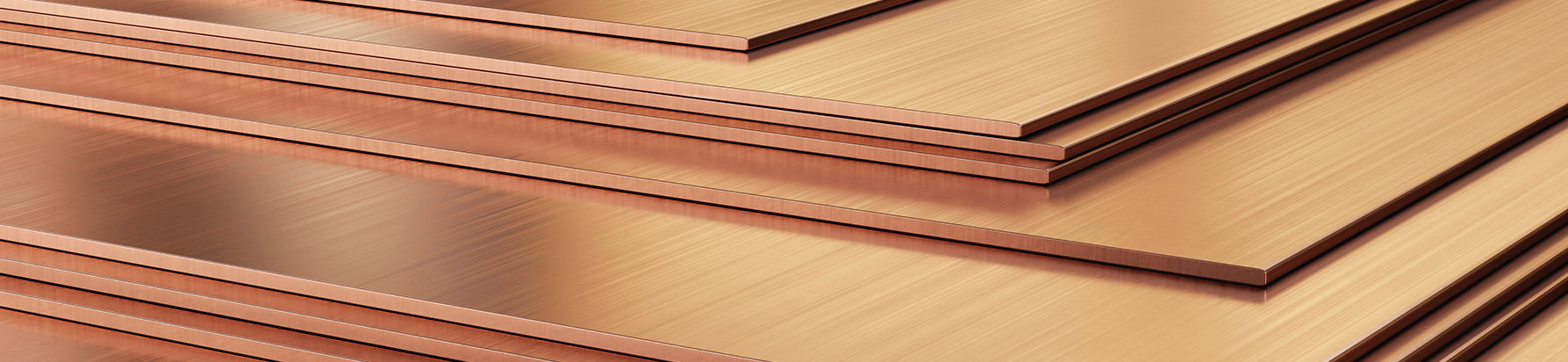
Copper plating serves as a foundation for conductivity, adhesion, and corrosion protection in critical applications across electronics, aerospace, and precision manufacturing. ChemTecUSA performs copper plating as part of its integrated finishing and etching operations, maintaining precise control over deposit thickness, adhesion, and surface uniformity under a single source.
Why Copper Performs
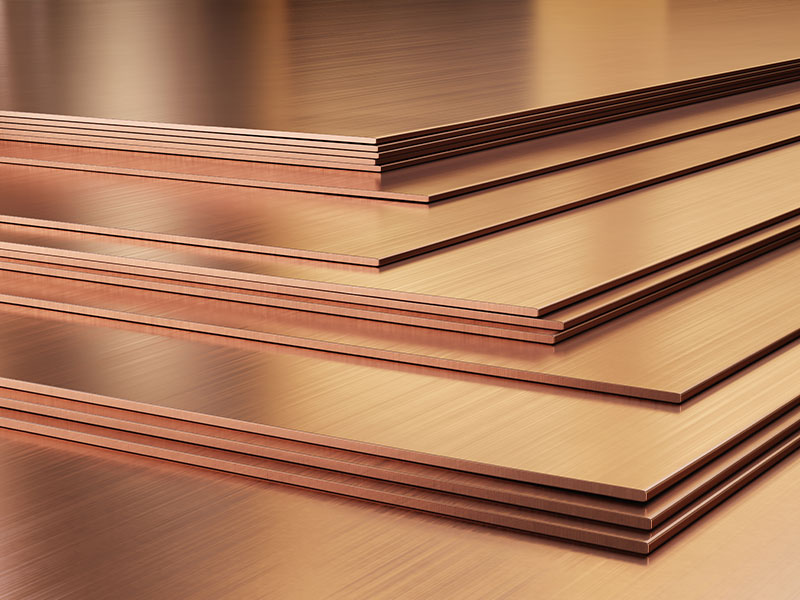
Copper’s high electrical and thermal conductivity make it ideal for parts that carry current or dissipate heat. It enhances solderability, serves as a diffusion barrier between metals, and creates a uniform surface for additional coatings. Copper’s ductility enables it to follow complex geometries without compromising adhesion or surface integrity, even under mechanical stress or post-processing conditions.

Precision Process Control
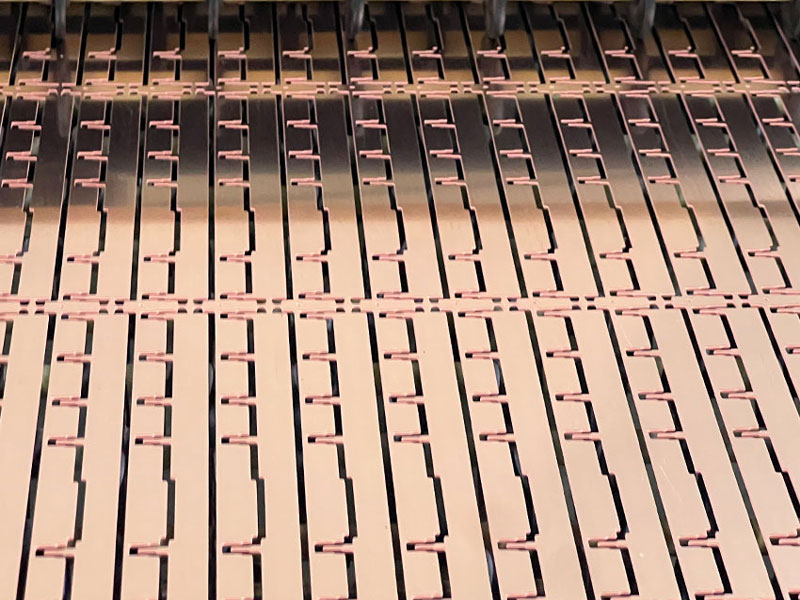
ChemTecUSA’s copper plating processes are developed to meet the functional and dimensional needs of each project. Every parameter—surface preparation, bath composition, and current density—is monitored to produce deposits that maintain consistent coverage and low internal stress. This in-house control reduces handling risks, improves repeatability, and supports the company’s strict quality standards.
Copper As An Undercoat
Copper functions as a critical foundation layer in multi-finish systems where subsequent metals depend on proper adhesion and uniform coverage. When nickel, gold, tin, or silver is applied over copper, the base layer must be dense, stress-free, and chemically active to support metallurgical bonding. ChemTecUSA applies these finish sequences without transferring parts between facilities, preserving surface cleanliness and eliminating contamination between plating stages. The copper undercoat also serves as a leveling layer that smooths minor substrate imperfections before decorative or protective finishes are applied. In systems where electrolytic nickel or electroless nickel follow copper, the undercoat’s grain structure and surface energy directly influence final appearance and corrosion resistance. By controlling copper deposition parameters specifically for undercoat applications, ChemTecUSA ensures that each subsequent layer performs as designed.
Common Engineering Challenges Solved
Copper plating addresses functional problems that compromise performance or manufacturability. Components with poor solderability due to oxidation or difficult base materials gain reliable solder wetting through properly deposited copper layers. Parts requiring EMI or RFI shielding benefit from copper’s conductive properties, particularly when plated over non-metallic substrates. Thermal management challenges in high-power electronics are mitigated by copper’s heat dissipation characteristics. Worn or undersized precision components can be restored to specification through controlled copper buildup, extending service life and reducing replacement costs. Dissimilar metal interfaces that risk galvanic corrosion are stabilized when copper acts as a diffusion barrier between incompatible materials. ChemTecUSA’s engineering team evaluates each challenge to determine whether copper plating—alone or as part of a finish system—provides the appropriate solution.

Process Control and Coating Performance
ChemTecUSA’s technical team collaborates with customers early in the design process to evaluate base materials, coating thickness, and compatibility with secondary finishes. Copper plating is frequently used in electrical connectors, printed circuit components, RF assemblies, and precision parts requiring stable conductivity and corrosion resistance. Design guidance addresses geometry considerations, masking requirements, and how copper interfaces with downstream operations such as soldering, bonding, or additional finishing.
Integrated Processing and Quality
All plating, etching, and inspection operations occurs under ChemTecUSA’s control. This closed-loop control eliminates vendor transfers, protects quality, and supports full traceability from preparation to final finish. Inspection protocols verify deposit thickness, adhesion, and surface condition before parts advance to subsequent operations or final packaging.

Environmental and Compliance
ChemTecUSA operates a closed-loop wastewater treatment system within its Rhode Island facility, managing all process effluent to meet federal and state discharge standards. Copper and other metals are recovered from spent solutions and rinse streams, reducing waste volume and supporting material reclamation. Chemistry formulations are selected to minimize hazardous content while maintaining performance requirements. All finishes comply with RoHS directives when specified, and material certifications document compliance with REACH and other international regulations. The company maintains records of chemical sourcing, process conditions, and waste handling to support customer audits and regulatory reporting. Environmental management is integrated into daily operations rather than treated as a separate function, ensuring that quality, delivery, and environmental responsibility advance together.
Get copper plating that performs exactly as designed—every time. Contact ChemTecUSA’s technical team to discuss specifications and design support for your next program.